Conversational AI for Finance: Trusted Answers from ERP & Accounting Data

The finance industry is standing on the brink of a major operational shift. Every day, finance professionals lose hours digging through complex ERP systems, writing cumbersome SQL queries, or cross-referencing massive spreadsheets just to answer basic financial questions. Conversational AI is changing this landscape by providing direct, trusted answers sourced straight from your live ERP and accounting data.
By implementing conversational layers over financial databases, teams can interact with corporate data as if they were talking to a human analyst. Instead of waiting days for a custom report, a CFO can simply ask: "What was our net profit margin comparison between Q2 and Q3?" and receive an instantaneous, accurate answer.
How Conversational AI Works in Finance
Conversational AI does not just guess answers; it utilizes advanced Natural Language Processing (NLP) and machine learning algorithms to map human intent to structured data schemas. When integrated securely with ERP networks (such as SAP, Oracle, or QuickBooks), the AI translates a spoken or typed question into a precise database query, extracts the real-time financial figures, and formats them back into readable human language or structured charts.
Key Benefits for Financial Operations
- Elimination of Data Bottlenecks: Non-technical stakeholders can pull data instantly without waiting on data engineering or IT queues.
- Reduced Human Margin of Error: Automating data retrieval directly via APIs eliminates manual copy-paste errors across systems.
- Strategic Decision Velocity: Real-time access to liquidity, accounts payable, and cash flow forecasts ensures faster business adjustments.
Practical Use Cases in Everyday Accounting
Conversational AI layers can be deployed across several core accounting functions to automate internal queries:
- Financial Reporting & Audits: Instant compliance cross-checks and instant financial statement generation.
- Accounts Receivable Tracking: Quick internal queries such as, "Which vendors currently have invoices overdue by more than 45 days?"
- Dynamic Budgeting: Instantly pulling historical department spend data during forecasting sessions without breaking spreadsheet formulas.
Overcoming Integration and Security Barriers
When dealing with sensitive corporate finance data, security is paramount. Deploying financial AI requires read-only API access configurations, strict data encryption pipelines (both in transit and at rest), and role-based permissions to ensure that only authorized executives can access sensitive payroll or margin details.
Accelerate Your Build with AcadKits
Building a robust, enterprise-grade financial AI assistant from scratch is a massive undertaking. To help developers and finance teams skip the foundational hurdles, offers specialized developer frameworks and production-ready templates.
❓ Frequently Asked Questions
What is conversational AI?▼
How can conversational AI be used in finance?▼
What are the benefits of conversational AI for finance?▼
How can I get started with conversational AI for finance?▼
What tools do I need to get started with conversational AI for finance?
🎓 Need Help With Your Project?
AcadKits provides ready-made engineering projects, custom development services, and free developer tools for students.
📚 Related Articles
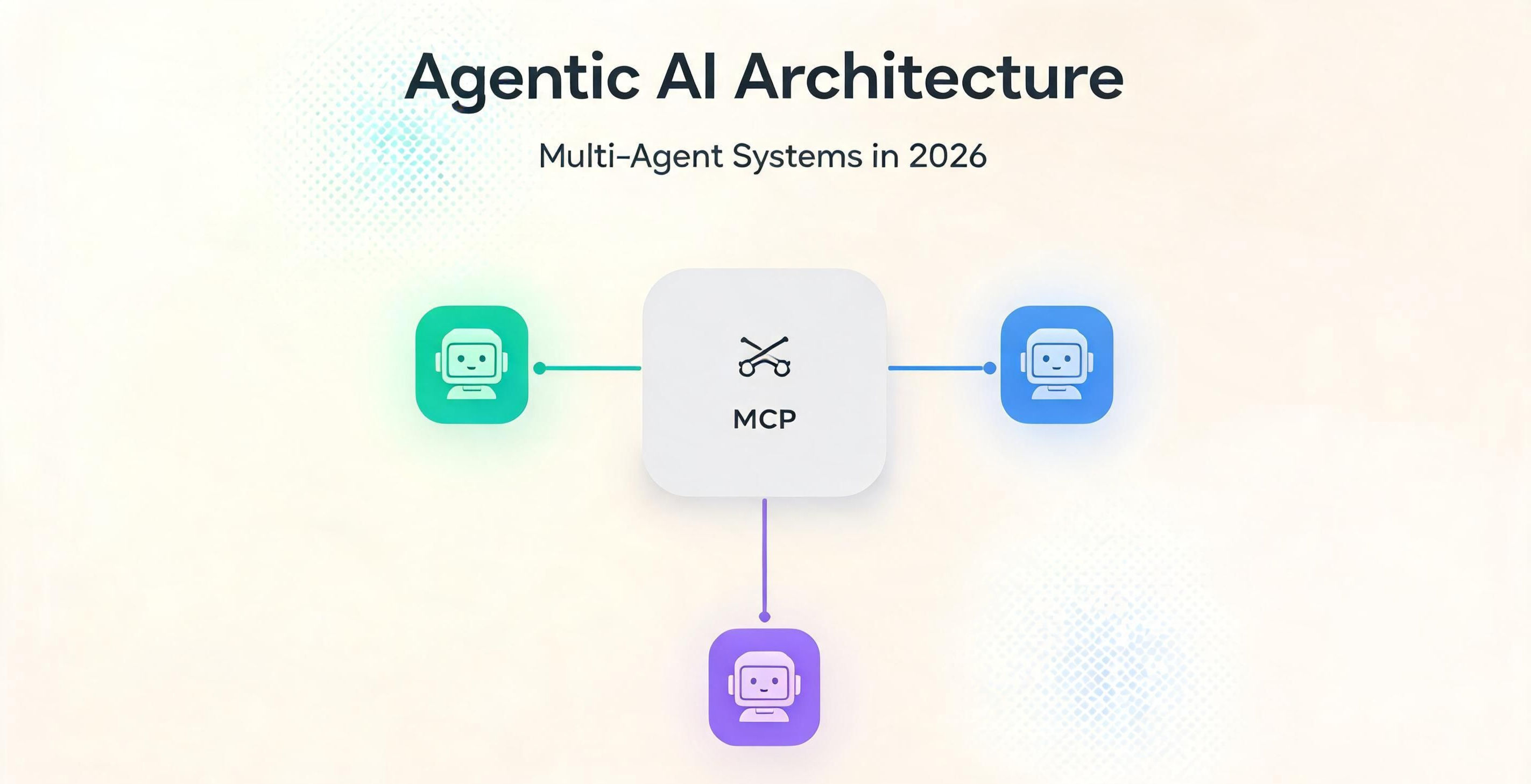
Agentic AI Architecture in 2026: How to Build Secure Multi-Agent Systems with MCP
A practical 2026 guide to multi-agent AI architecture, MCP integration, orchestration, guardrails, and human approval workflows for real-world software teams.
⏱️ 8 min read
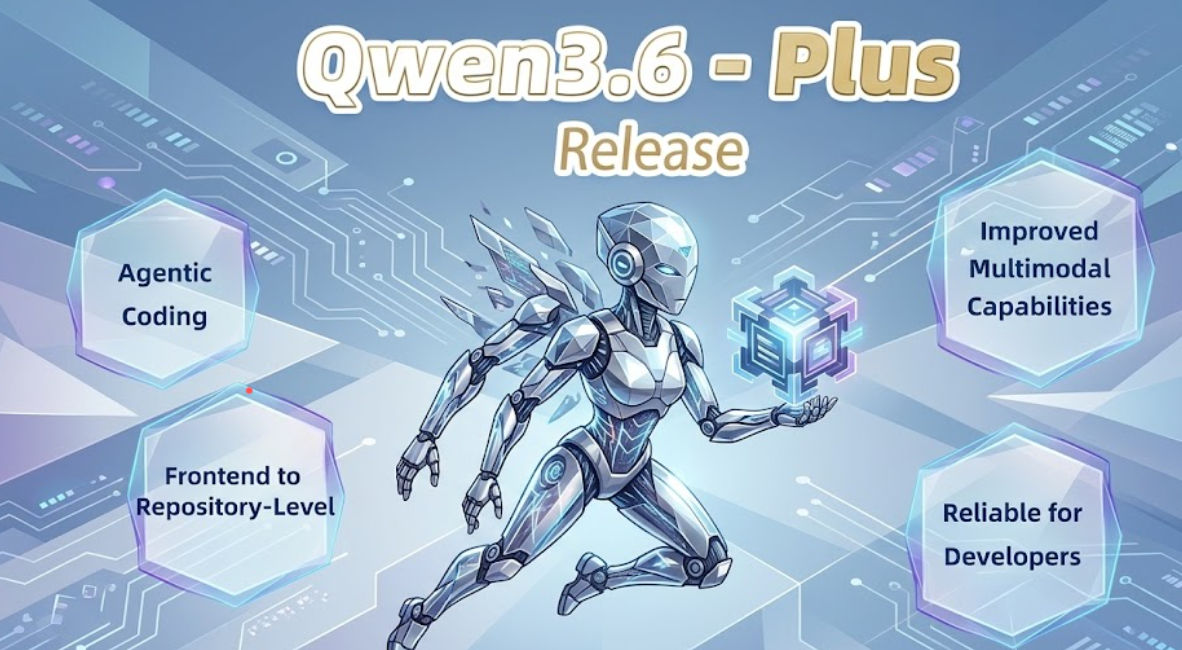
Qwen3.6-Plus: The Ultimate Real-World Agent for Engineering Projects
A comprehensive look at Qwen3.6-Plus, its groundbreaking capabilities in agentic coding and multimodal reasoning, and how engineering students can leverage it for real-world projects.
⏱️ 6 min read